
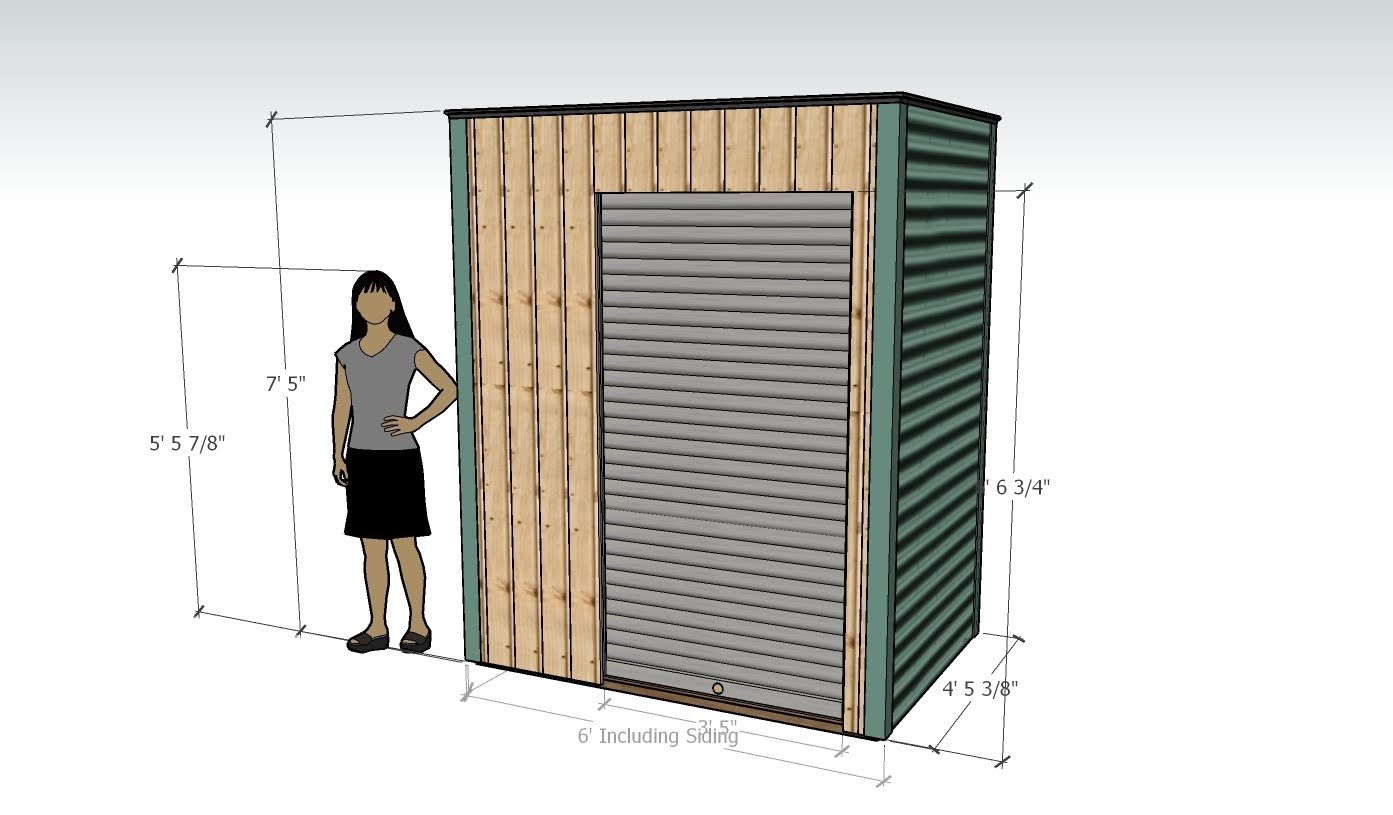
Regular riders know that leaning bikes along the house only works for so long. Chains rust, paint gets scratched, and it starts to look messy quickly. The good news is that you do not always need a full bike shed or a new outbuilding to fix the problem. With careful planning, the space under a deck or along a side yard can become a clean, secure, year-round bike zone.
These tight areas are often underused or piled with miscellaneous storage. When we plan them properly, they turn into simple parking spots that respect Ontario weather and keep your home looking tidy. The key is doing it in a way that manages snow, salt, drainage, and theft risk instead of adding new maintenance issues.
Ontario winters are tough on bikes and on buildings. Snow shedding from decks and roofs, salty slush, and standing water all speed up rust and can also damage foundations, siding, and deck posts. That is why we treat bike storage as part of the overall backyard plan, not an afterthought.
At Backyard Escape Studios, we often design bike zones alongside larger projects like backyard studios, home offices, or cabanas. Sometimes that includes a dedicated bike shed, and sometimes it means a more open, integrated storage area built to the same standard. In the sections below, we walk through how to choose the right location, handle water and snow, select durable hardware, think about security, and decide when a custom bike zone works better than a traditional bike shed.
Before deciding where bikes will live, it helps to think about how you move through your yard every day. Ask yourself:
For under-deck storage, a few practical points matter:
Side yards can be excellent bike corridors, but they come with their own rules. You need to consider:
We also pay close attention to moisture. Tight side yards already see less sun and wind, so building solid walls right against the house can trap water against your siding. A well-designed bike zone often uses offset walls, slats, or open bases so air can move and surfaces can dry.
When clients plan future backyard studios or offices, we like to align the bike zone with that broader vision. That can mean:
The result feels intentional and integrated, not like a shed added into the last free corner.
Water management is where under-deck and side-yard bike zones either work well or create problems. Under decks, we look at both what lands on top and what happens at ground level.
Effective drainage starts with grading that slopes gently away from the house. Under many decks, we recommend:
Snow and roof runoff are just as important. Snow sliding off upper decks or nearby roofs can land right on bikes or create icy piles where you want to walk. To reduce that risk, a design might include:
Even without a full bike shed, a partially enclosed bike zone still needs airflow. Slushy winter rides will leave frames and chains wet and salty. With no ventilation, that moisture lingers and encourages rust, mildew, and a musty smell. Gaps at the base, vent strips, or open slats in a screen wall help everything dry faster.
Salt and slush are hard on both bikes and buildings. We often suggest:
Handled properly, these choices do more than protect bikes. They also help prevent rot at the base of walls, heaving pavers, and corrosion on nearby structures.
Quick DIY bike shed kits and tarps can seem like an easy fix, but in Ontario weather they often sag, leak, and deteriorate quickly. A purpose-built structure, even a simple one, is designed to handle freeze, thaw cycles, snow load, and wind so it stays solid for years.
The foundation is where that durability starts. Depending on the layout, we might use:
For framing and finishes, we look at pressure-treated or otherwise suitable lumber, plus cladding that ties in with the home or any backyard studio or office nearby. Clean, modern lines keep the space from feeling like an afterthought.
Hardware matters a lot in a salty, slushy bike zone. Stainless or hot-dip galvanized fasteners, hinges, anchors, and rack systems stand up much better than basic interior hardware. Thoughtful hardware choices help prevent:
Access and lighting are also key to using the space year-round. We often think about:
When bike storage is designed alongside a studio or office, we can share walls or align structures to save space and keep the yard calm and organized visually. This integrated, professional approach helps reduce long-term maintenance and construction headaches.
Side yards, alleys, and under-deck corners can be tempting spots for theft if bikes are visible and easy to roll away. Effective security starts in the design, not with a last-minute lock.
We like to plan solid anchor points into the structure itself, such as:
The strength of what you lock to often matters more than the lock itself. Anchors should be tied into solid material, not just thin cladding or loose pavers.
Visibility control is another quiet but helpful layer. Slatted screens or partial walls can hide bikes from the street while still allowing airflow and quick access. Compared to improvised tarps or chain-link panels, a simple timber or metal screen feels cleaner and more modern, especially when it matches a nearby studio or office.
Additional security details can include:
The goal is low-stress security that fits daily life. If doors are light and slide easily, paths are clear, and the locking routine is straightforward, bikes are much more likely to end up stored properly every day instead of leaning near the garage.
A full bike shed is not always the best answer. In some yards, space is tight, property line setbacks are strict, or an existing deck already dominates the area. In those cases, squeezing in a freestanding bike shed can feel awkward or heavy.
A custom bike zone under a deck or along a side yard can unlock space in the rest of the yard for a backyard office, studio, or cabana. You get layered use of the property instead of filling prime lawn or garden space with a stand-alone building.
Even small projects must still respect bylaws, snow load limits, and structural requirements. Closing in an under-deck area without thinking about ventilation, fire separation, or support can create safety issues and maintenance problems later. A structured, organized design-and-build process helps avoid those pitfalls.
Every household uses bikes differently, and that is where custom work is especially useful:
Treating the bike zone as part of the home’s architecture brings everything together. When siding, trim lines, and proportions line up with the house and any future studio, the bike area looks like it was always meant to be there, not like a temporary fix.
At Backyard Escape Studios, we design, build, and install custom, code-compliant garden studios, offices, sheds, and cabanas across Ontario, and we often integrate thoughtful bike storage into those projects. Planning the bike zone early, paying attention to drainage, snow and salt control, structure, and security, helps protect both your bikes and your home while keeping the backyard calm, modern, and easy to live with all year. Our detail-oriented, professional approach is built to last, reduces long-term risk, and helps homeowners enjoy a clean, organized outdoor space without construction headaches.
Transform how you protect and organize your bikes with a custom bike shed designed and built by Backyard Escape Studios. We will work with you to match the right size, style, and layout to your property and daily routine. If you are ready to plan your space or have questions about options and timelines, contact us and we will guide you through every step.
Today is the day to start building the structure of your dreams. Share your design ideas with us so we can get started on bringing your shed to life.
